Have a well? We've got you.
Start with your free well record lookup.
- Free well records in most states, found by address
- Free tools and guides for pumps, smells and bacteria
- Free help finding a local well pro
- DIY well treatment and a bacteria test, both coming soon
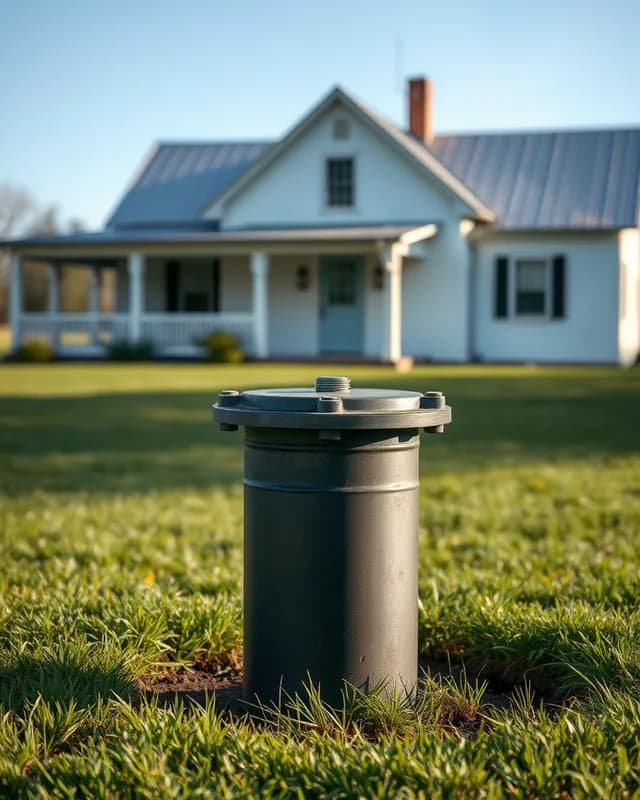
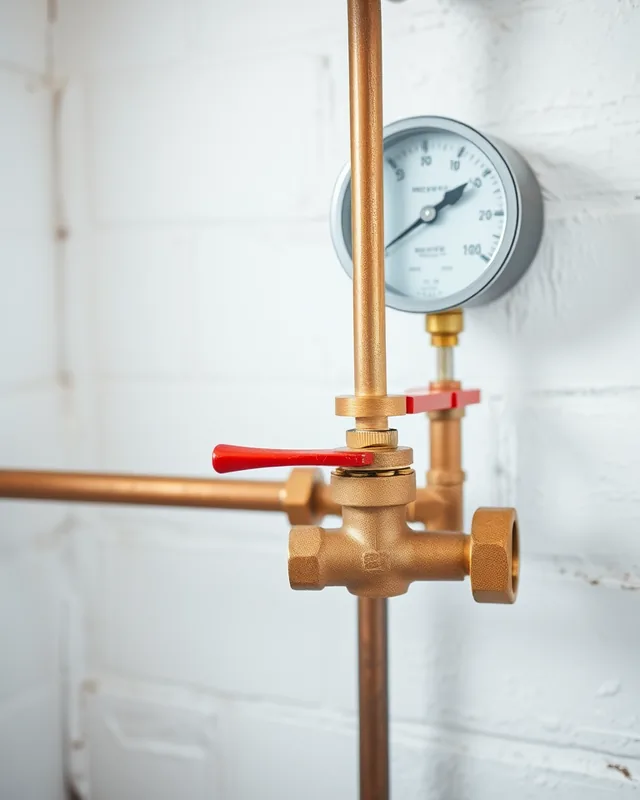
What's going on with your well?
- My pump or water pressure has a problemLook up your well for this
- My water smells, tastes, looks wrong, or I want it testedLook up your well for this
- I want a filter or treatment systemLook up your well for this
- I need a new wellLook up your well for this
- My well needs a checkupLook up your well for this
- I just want my well's recordLook up your well for this
How it works
- 1
Look up your well
Enter your address and identify your well. Free.
- 2
Find the problem
Tell us about your well problems.
- 3
Fix it
We provide solutions to your problems.
New
DIY well treatment, launching December 1
Certified safe for drinking water and pre-measured, so there's nothing to mix or guess. From $329.
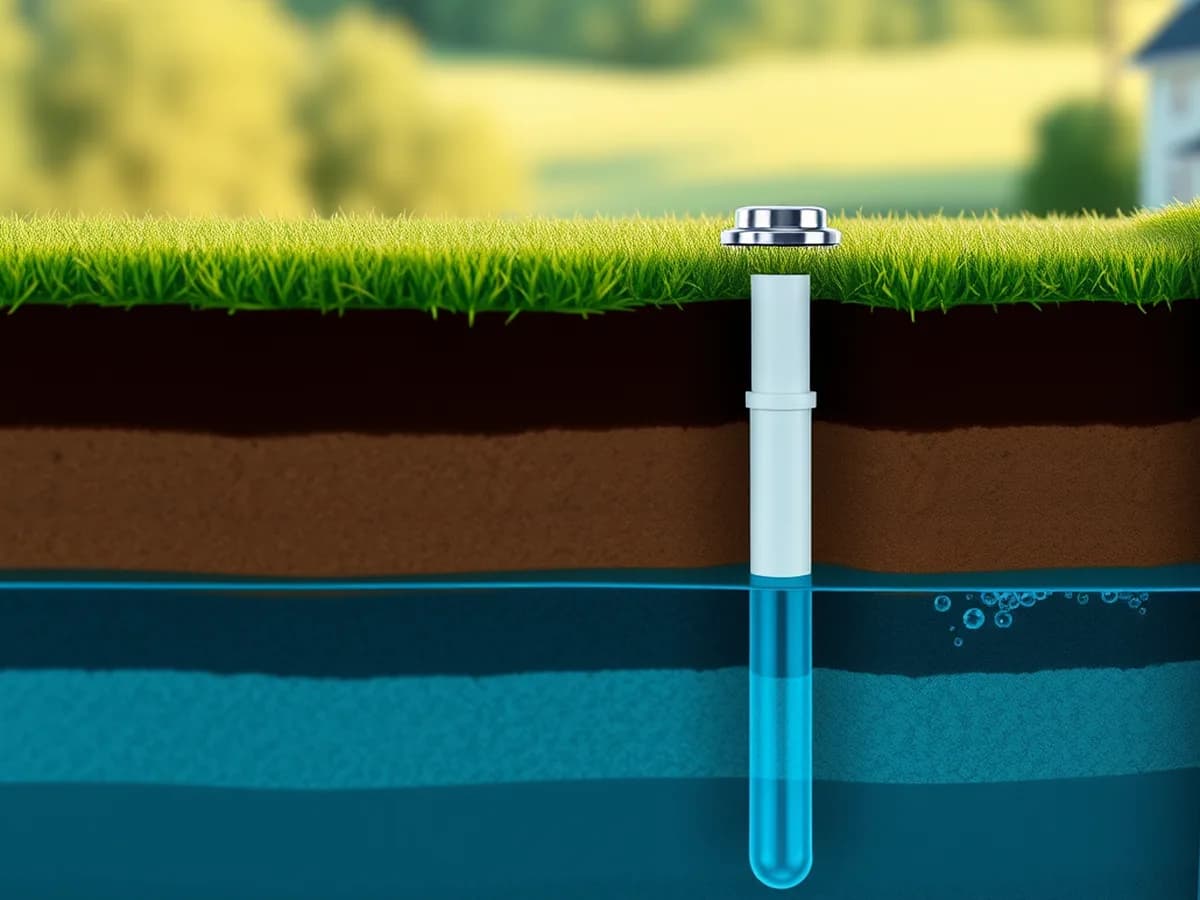
Certified safe for drinking water
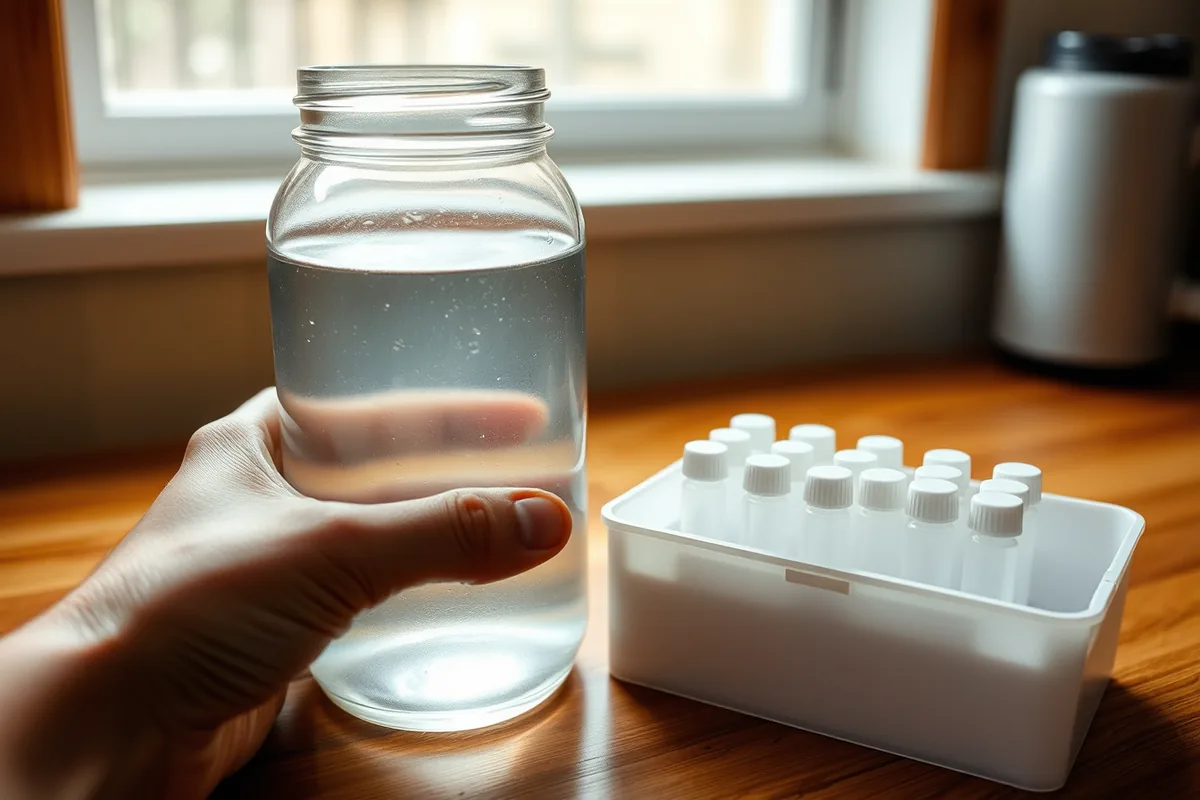
Test your water
Our home bacteria test is coming soon. Join the waitlist and we'll email you the day it opens.
Join the waitlistMade for how you use a well
 Get the home report
Buying or selling a home
A free report: the well's record, nearby well depths, and what to test before you close.
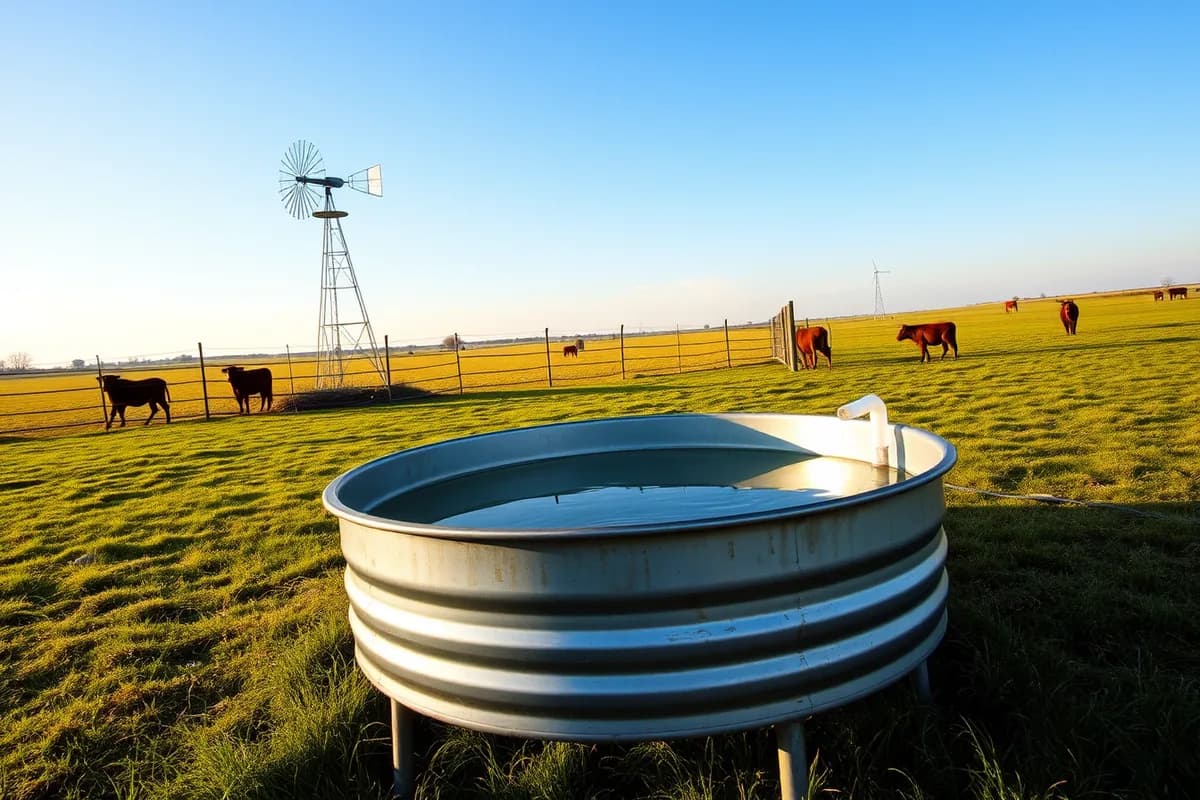 Look up your farm well
Farm or ranch
Water for livestock, and what to check in a farm well.
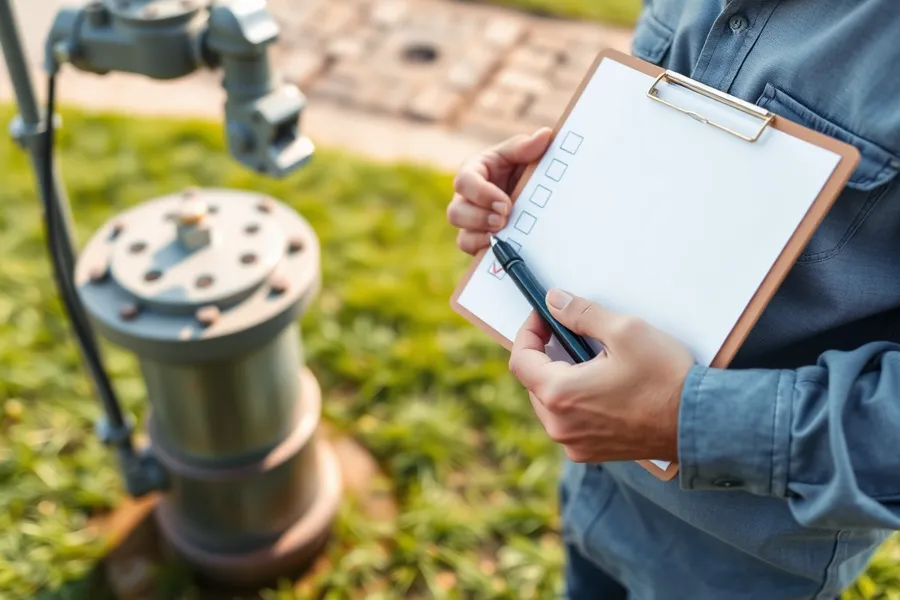 For professionals
Inspectors, realtors and lenders
Look up the well for a client's property, then send them the free report.
Frequently asked questions.
Is well water safe to drink?
It can be, but only a test tells you. Nobody checks a private well for you, so the owner has to. The CDC says to test every year for coliform bacteria, nitrate, total dissolved solids and pH. The testing guide points you to your state lab.
Are well records public, and how do I find mine?
Yes, most states keep the drilling record, called a well log, as a public record. Type your address into the free well record lookup and we search the official records in most states. If none comes up, we name the state office that keeps them.
How deep is my well?
The well log lists the total depth, the casing size and the water level. With no record, check the casing for a well tag, your closing papers or the driller. A well pro can also measure it with a weighted tape. More in how deep is my well.
How often should I test my well water?
At least once a year for coliform bacteria and nitrate. Test again right away after a flood, after any work on the well or pump, or when the taste, color or smell changes.
How much does a well water test cost?
It depends on the state and the tests. The Florida Department of Health says county testing is usually $20 to $30 per sample. Ask your county health department first, because many test private wells at low cost.
Why does my well water smell like rotten eggs?
The smell is hydrogen sulfide gas, often made by sulfur bacteria in the well or in the water heater. It is mostly a nuisance, but a smelly well is worth testing for coliform too. The rotten egg smell guide shows how to tell where it starts.
Why do I have low water pressure or no water from my well?
A sudden drop usually points at one part: a pressure tank that lost its air, a worn pressure switch, a broken line or a failing pump. The free pump troubleshooter walks you through each check.
How do I disinfect my well?
Mix a measured disinfectant, pour it down the well, run it to every tap, let it sit overnight, then flush. Use the amounts on your plan and follow the product label. Retest for bacteria 7 to 14 days after. The step-by-step guide covers each step.
What if bacteria come back after I treat the well?
Repeat the whole treatment, because old wells can need several rounds. The coliform guide says what to check if it keeps coming back, such as a loose cap or a cracked casing.
Well test reminders, by email
What is in well water this season, and when to test. One topic, one thing to do, with the sources linked.